

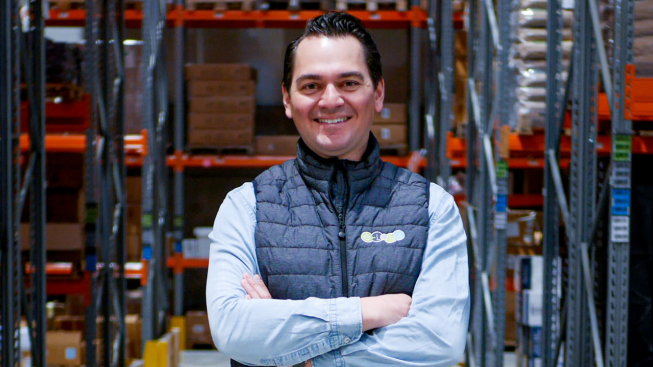
Quentin Benault leads e-LOGIK
Mar 13, 2026 at 11:34 AM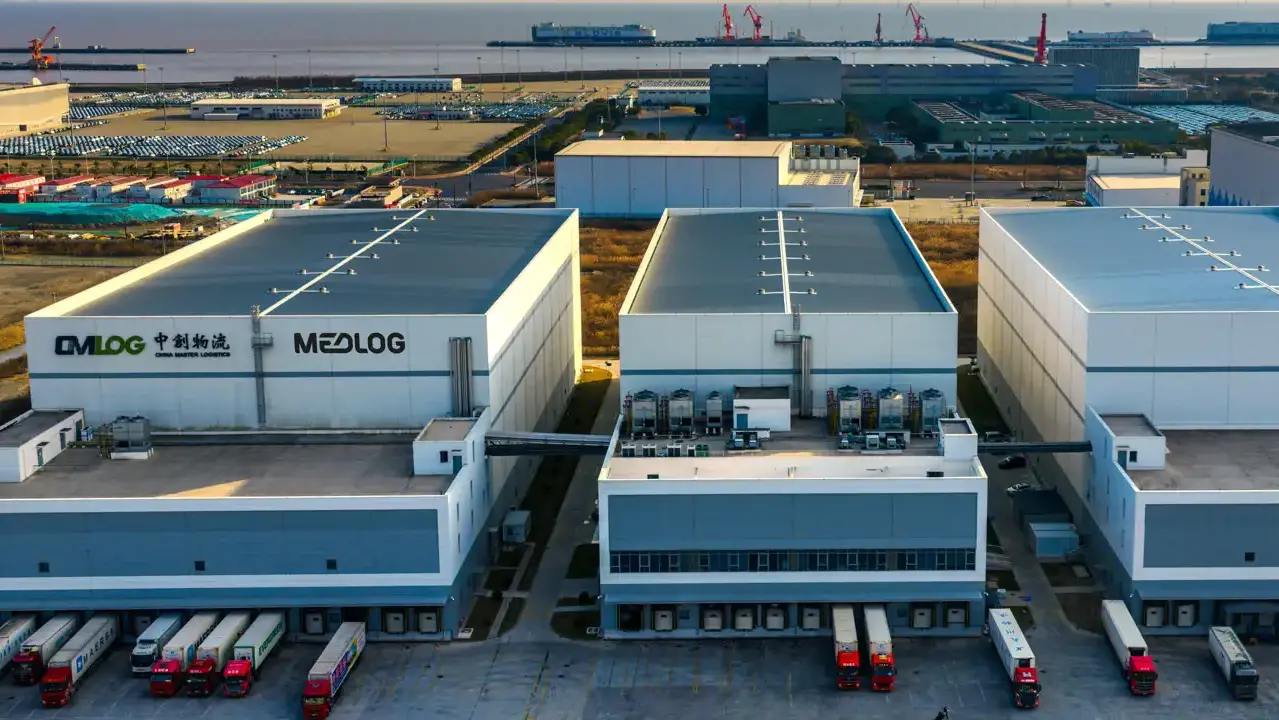
Medlog JV opens cold storage in Shanghai
Mar 16, 2026 at 5:30 PM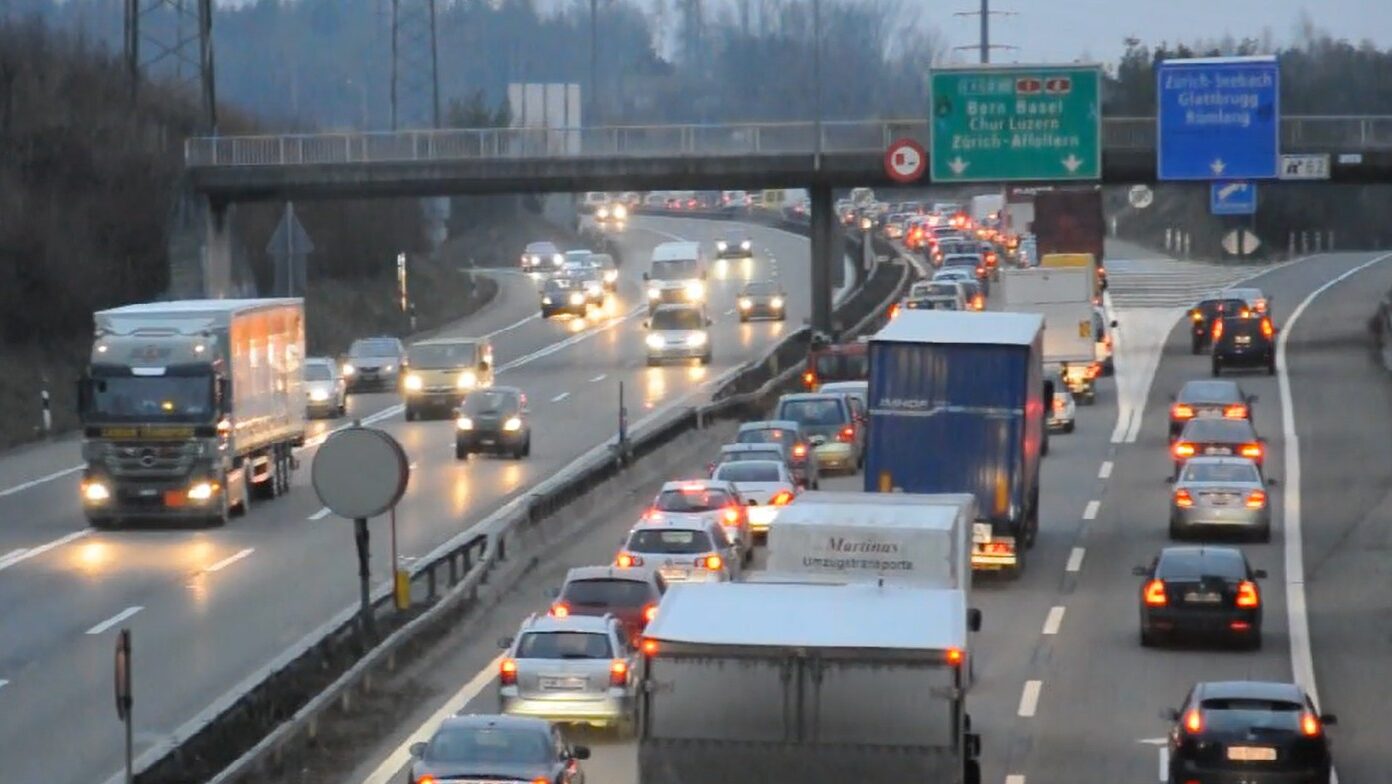
The National Council made important decisions regarding the further development of the performance-based heavy vehicle fee (LSVA) in its session yesterday. These changes are seen as a significant step towards the decarbonization of heavy transport and the creation of planning security for the transport industry. The Swiss Commercial Vehicle Association ASTAG particularly welcomes the legal guarantee for discounts on electric trucks starting in 2031. However, there is a call to revise the tariffs for vehicles meeting EURO 7 standards.
ASTAG expresses its satisfaction with the integration of electric vehicles into the LSVA system. This measure is considered sensible, as electric vehicles also utilize road infrastructure. The association emphasizes that the transition to alternative drives in heavy transport is crucial for achieving climate goals, but it is associated with high costs for transport companies. Therefore, from ASTAG’s perspective, it is important that electric vehicles can benefit from discounts on the LSVA for a transitional period. Thierry Burkart, Central President of ASTAG, highlights that the legal establishment of the discount amount and duration represents a significant improvement in planning security. This creates the conditions for further expansion of alternative drive technologies. Additionally, it is viewed positively that the revision of the LSVA is not scheduled until 2031, providing companies with sufficient time to plan the transition to electric trucks.
EURO 7: Support for Small Businesses
A central concern of the association is equal opportunities for small and medium-sized enterprises, which are strongly represented in the industry. These companies often have limited liquidity and equity, making it difficult for them to invest in electric trucks, which are significantly more expensive to purchase than diesel trucks. ASTAG demands that these companies be given the opportunity to bridge the time until the purchase prices align with modern, fossil-fueled trucks without being disadvantaged by high LSVA tariffs.
The EURO 7 standard aims to further improve the emissions balance in heavy transport by, among other things, halving the permissible limits for nitrogen oxides. Burkart emphasizes that smaller companies must also have the chance to switch to more sustainable vehicles. A waiver of lower tariffs for EURO 7 vehicles could lead to regionally rooted family businesses being driven out of the market due to excessive fiscal burdens. This would not only harm these companies but also jeopardize the entire SME landscape in Switzerland.