


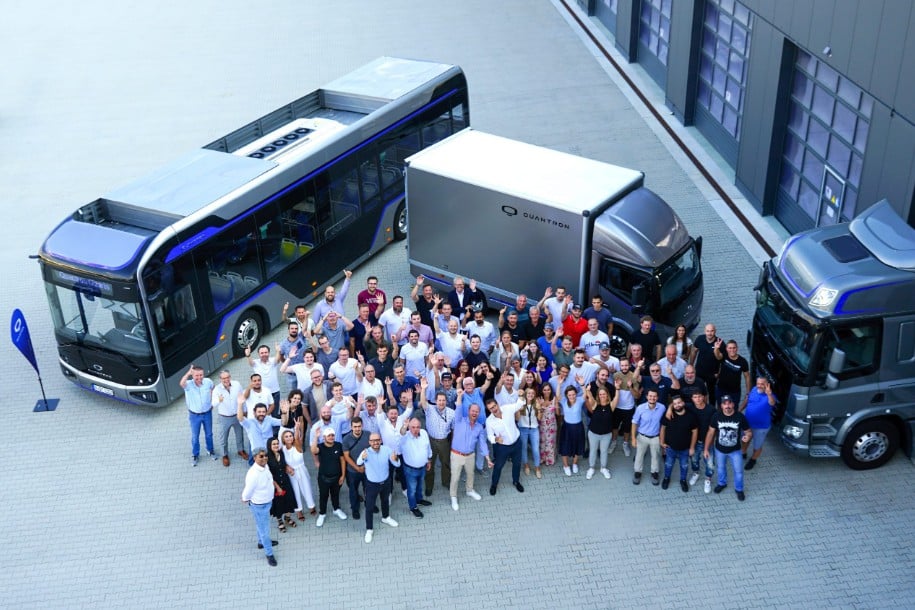
QUANTRON with Strong Growth in the First Half of 2022
Jul 27, 2022 at 3:40 PM
First Results of a Study on the Driver Shortage in Logistics
Jul 31, 2022 at 10:30 AM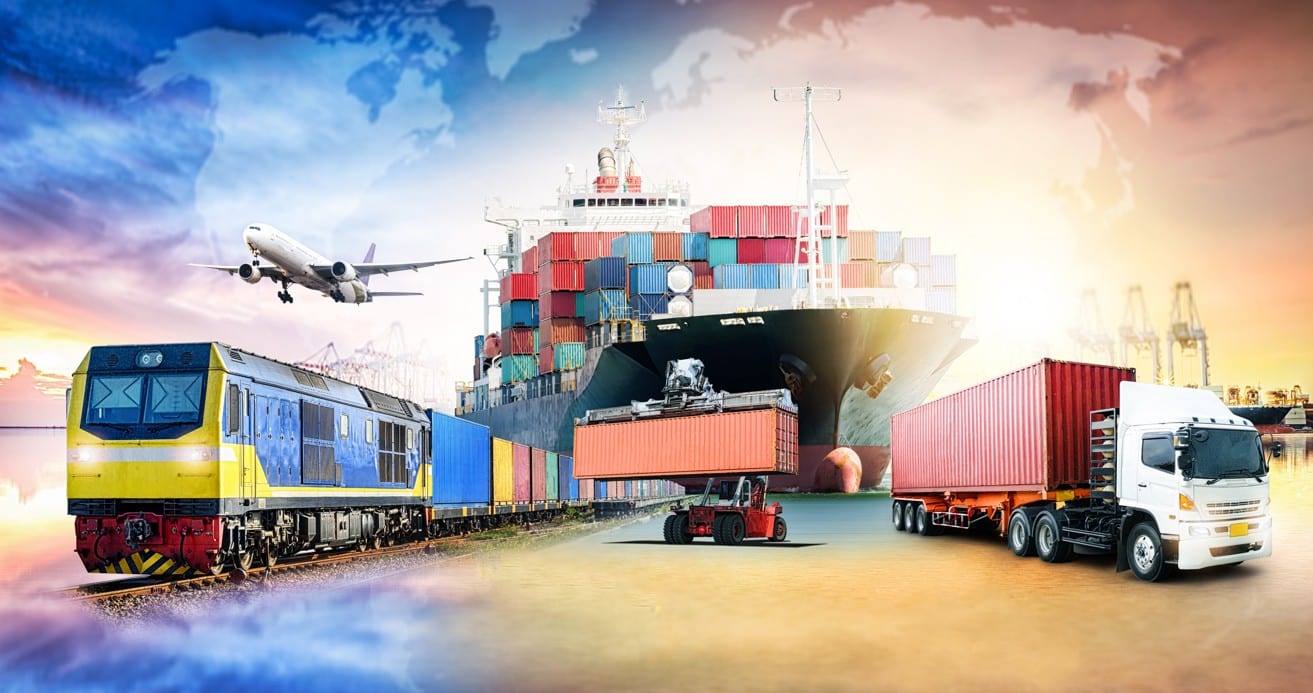
In collaboration with the Institute for Supply Chain Management (ISCM-HSG) at the University of St. Gallen, Loginfo24 publishes new insights from supply chain research in a loose series. We report concisely on practice-relevant innovations from dissertations and other publications by young researchers at ISCM-HSG. The publications with corresponding source references can be found in the “ISCM Publications” section.
Today, a report by Laurin Zemmrich. He addresses the volatility of freight rates for the transport modes of sea, road, rail, and air.
(St. Gallen) A newly published study by the Institute for Supply Chain Management at the University of St. Gallen focuses specifically on the volatility of freight rates for the transport modes of sea, road, rail, and air. Considering the perspectives of shippers, freight forwarders, and carriers, the four transport modes are systematically examined regarding challenges and management practices. This leads to the following key findings:
Scenario 1: Sea Freight
Sea freight is known for its boom-and-bust cycles, characterized by years of low rates during which shipping companies could not cover their capital costs, followed by the COVID-19 crisis and the passing on of costs and surcharges to shippers. In addition to these unexpected price increases, sea freight has also exhibited very low schedule reliability from carriers in recent years. To avoid similar situations in the future, shippers, freight forwarders, and carriers must not only address the symptoms but also tackle the underlying causes. While shippers can commit in advance to higher volumes and enter into long-term, enforceable contracts with guaranteed take-off, freight forwarders must diversify port calls to bridge future market disruptions due to limited port capacities.
Outlook: Sea freight rates are unlikely to fall to the unhealthy levels seen before 2020, as these were partly below the contribution margin of shipping companies. Rates could normalize in 2023 but are likely to be somewhat higher than in 2019 (factor 1.5).

Scenario 2: Road Freight Transport
Freight rates in road transport have been subject to significant fluctuations, particularly due to high spot market activities in full truckload transport. In addition to price dynamics, road freight transport is also facing severe capacity shortages, including driver shortages, long delivery times for new vehicles, and rising energy costs. In Germany, the year 2021 recorded a strong surplus of freight to cargo space at 76%. Therefore, shippers and logistics service providers must find ways to utilize capacities more effectively and consistently. Primarily, trading companies must enable faster driver changeover times at pick-up and delivery locations. Freight forwarders, on the other hand, need to rethink their fleet management, as covering peak loads through the spot market will no longer work in times of capacity shortages.
Outlook: Overall, an increase in transport prices is expected in road freight transport. The driver shortage is crucial for short- to medium-term price development, as driver availability already determines the cargo space of carriers today.

Scenario 3: Rail Freight Transport
In contrast to other transport modes, rail freight transport is characterized by price stability due to limited providers and a comparatively transparent cost structure. Therefore, the focus in rail freight transport is primarily on utilizing capacities and increasing flexibility and reliability to achieve the minimum share of 25% in transport aimed for by the German government. There is significant room for improvement, especially regarding multimodal terminals for intermodal transport. To improve capacity utilization, shippers should identify “forward-looking” product categories, such as consumer goods, that require less flexibility to utilize rail freight transport. Additionally, concepts should be developed in wagonload transport to increase traffic pairings and achieve higher automation, for example, in shunting operations.
Outlook: Due to the short-term price orientation towards road freight transport (national) and sea transport (international), as well as the expected increasing shift to rail, a slightly elevated price level for rail freight transport is anticipated.

Scenario 4: Air Freight
Since passenger aircraft worldwide transport more air freight than full freighters, the COVID-19 crisis led to a global decline in air freight traffic and a sharp increase in spot market prices, which ultimately exceeded standard freight rates by ten times or more. Just as recovery began, the closure of Russian airspace also resulted in a 28% extension of flight routes between Europe and Asia. Due to the extended transport routes, fewer flights can be conducted on one hand, while more fuel is required on the other, further limiting overall capacity. In light of these developments, shippers need to reconsider which “must-have” products still justify the costs of air freight due to their margin and where geographical diversification of suppliers is necessary. Freight forwarders and airlines, on the other hand, need to rethink their network structure (hub vs. gateway flights) and hedge against skyrocketing jet fuel prices in the short term.
Outlook: In the short and medium term, it is expected that the (urgently needed) belly capacity will not return to the market, as business travel and leisure traffic are likely to lag behind. Therefore, no timely relief is expected in air freight either.
Broad-based Research Initiative
The study results are based on a broad-based study consortium consisting of logistics service providers, shippers, and IT partners, as well as an extensive interview series in which 45 experts were asked about challenges and management approaches in the four scenarios. The entire study also includes six case studies from renowned shippers and logistics service providers, as well as a listing of 60 relevant indices and 142 digital business models in logistics.
Report for Download

Laurin Zemmrich
is a doctoral candidate and research associate at the Institute for Supply Chain Management at the University of St. Gallen