


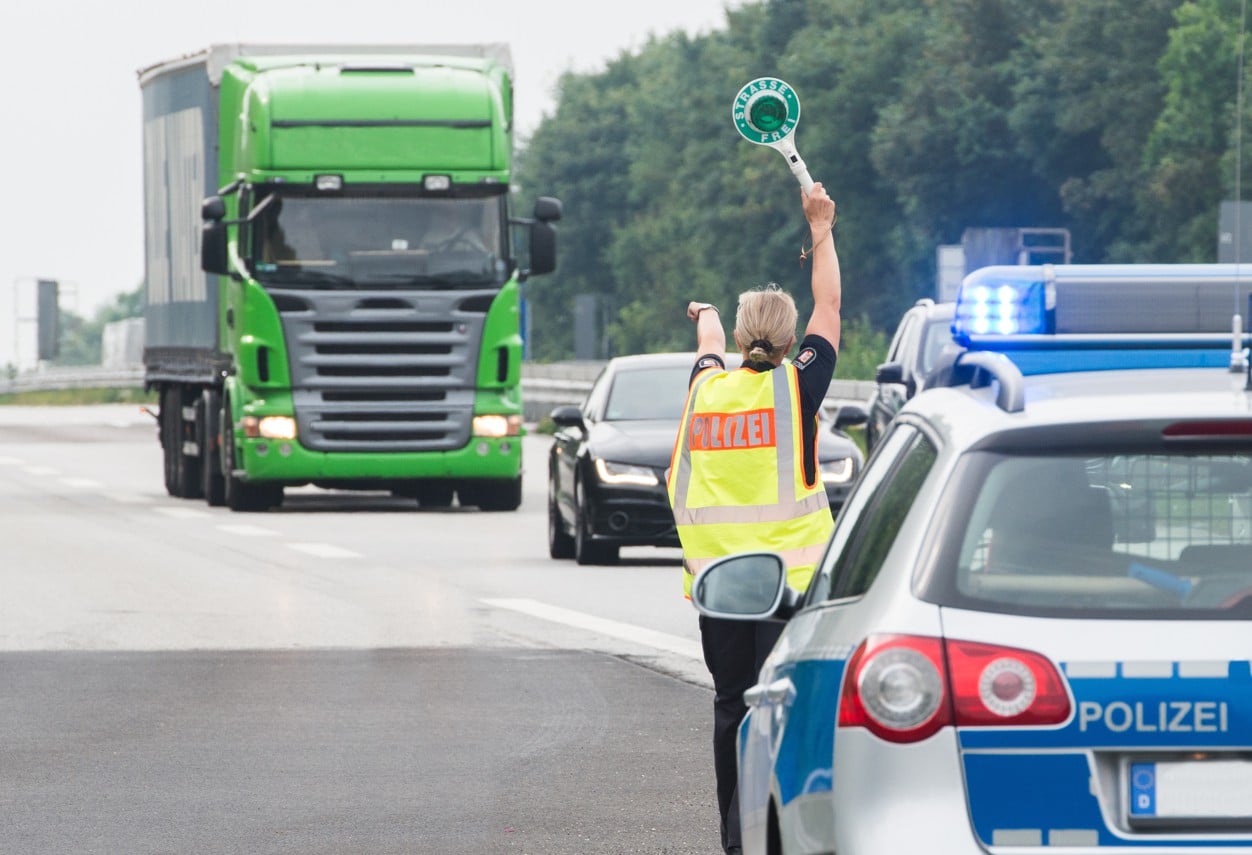
Switzerland controls 140,000 heavy vehicles in 2021
Mar 29, 2022 at 7:19 PM
Competec Logistik AG appoints Thomas Gasser as CEO
Apr 4, 2022 at 7:35 PM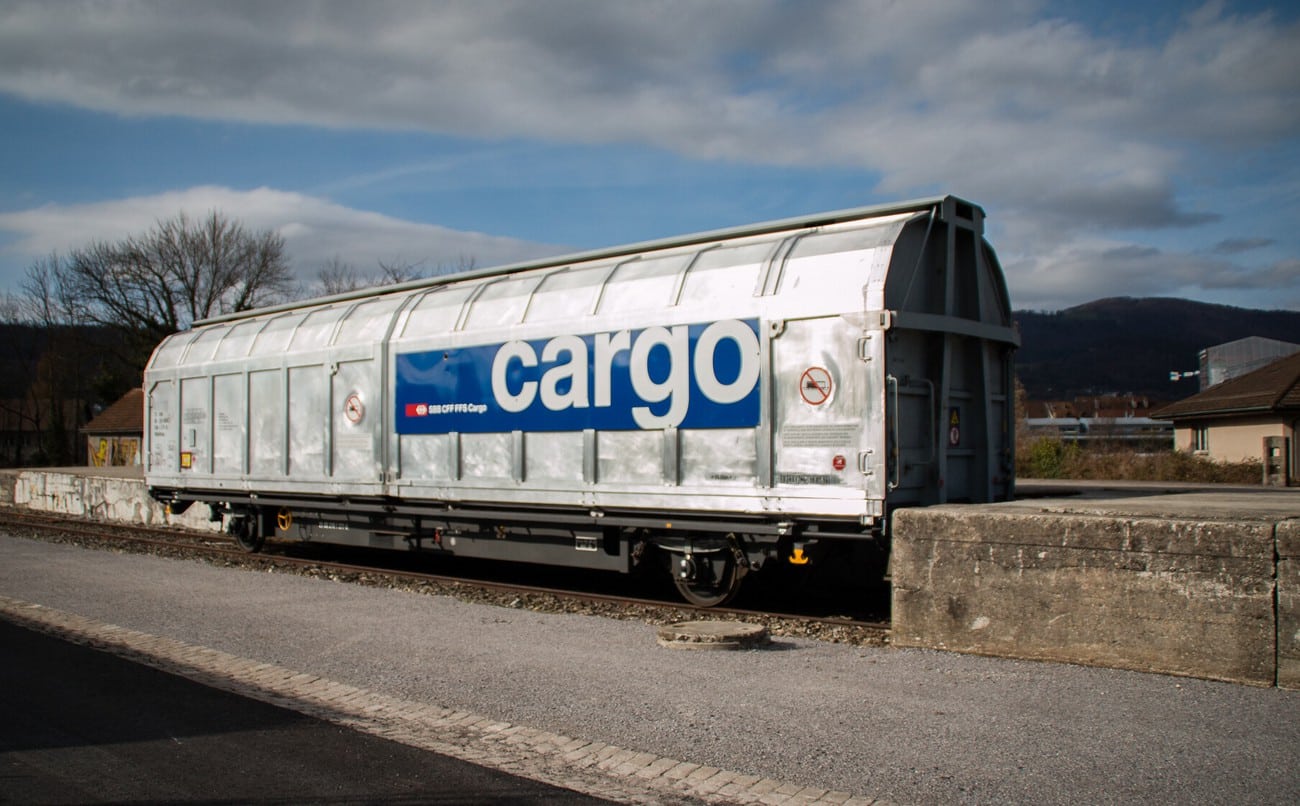
The freight transport by rail within Switzerland, as well as for import and export (“rail freight transport in the region”), contributes to the supply of our country and strengthens Switzerland’s climate policy. However, recent years have shown that these services are hardly self-financing anymore. At its meeting on March 30, 2022, the Federal Council adopted a report with corresponding reform proposals.
(Bern) The UVEK (Federal Department of the Environment, Transport, Energy and Communications) will prepare a consultation draft with two possible directions by autumn 2022.
Rail freight transport in the region complements transit freight transport through the Alps. It involves transport within Switzerland as well as for import and export. According to the law, it must be self-financing. This is a significant challenge because transport from individual cars with different goods must be laboriously assembled.
In a report fulfilling the postulate 21.3597 of the Council of States’ Transport Commission, the Federal Council now presents various scenarios for the further development of rail freight transport, as well as options for adjusting the legal framework and for financial support. The central question is whether and how the currently unprofitable wagonload traffic should be positioned so that it can continue to contribute to supply security and the achievement of climate goals.
Developing two directions
Based on the report, the Federal Council has tasked the UVEK with developing a consultation draft with two directions by the end of September:
- The first direction aims for a continued self-financing rail freight transport. The competition-oriented market order will be maintained. Rail freight transport should be strengthened with additional incentive instruments, for example, with subsidy contributions to shippers.
- The second direction envisions that single wagonload traffic will be comprehensively modernized in coordination with the industry, and its attractiveness for customers will be specifically increased. This requires comprehensive financial support for single wagonload traffic from the federal government.
Wagonload traffic
In rail freight transport in the region (domestic, import, and export traffic), a significant portion of goods is transported in what is known as wagonload traffic. Individual railway cars or groups of cars are collected from connecting tracks and loading facilities, formed into trains, and directed to marshalling yards, where new trains are assembled depending on the destination region.
Smooth logistics and production processes
At the destination station, they are distributed as individual cars or groups of cars. This network enables many transports between the most important production sites, logistics centers, and warehouses in Switzerland. It facilitates smooth logistics and production processes for the shipping economy, as the regular, consolidated deliveries eliminate the need for extensive warehousing.
Photo: © SBB Cargo