







Transport Museum opens exhibition on Swiss Rhine ports
Jun 24, 2026 at 12:48 PM
Nestlé opens distribution center in California
Jun 24, 2026 at 1:34 PM
The Swiss Post supports the postal reform proposed by the Federal Council, which aims to ensure a future-oriented and high-quality basic service. This reform seeks to adapt the Post’s offerings to the changing needs of customers while combining both physical and digital services. CEO Pascal Grieder emphasizes that it is crucial for the Post to continue acting entrepreneurially in order to remain innovative and to provide the basic service in a self-financed manner.
Flexibility for Basic Services
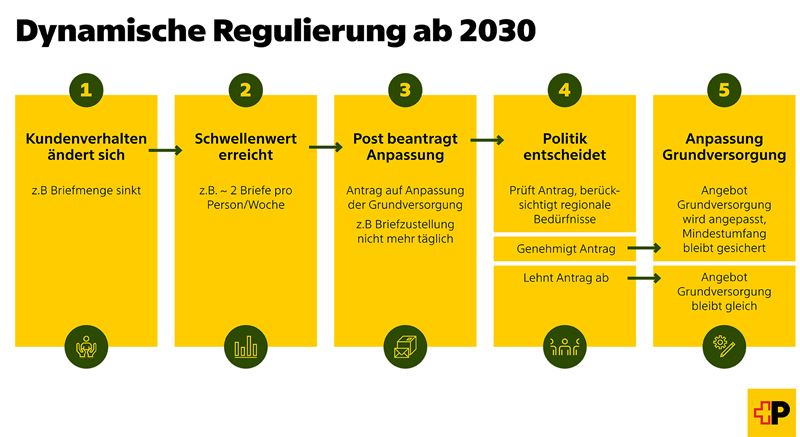
A contemporary public service is of great importance for Switzerland. The Federal Council’s proposal creates the necessary flexibility to adapt the legally mandated basic service more quickly to changing customer needs. At the same time, reliable public service for the population and the economy is secured. Grieder states, „The Federal Council’s proposal creates a clear framework. If customer behavior changes significantly, the Post can initiate necessary adjustments together with the political sphere.“ Changes in people’s daily lives require adapted conditions, as the number of letters sent decreases annually and fewer bills are paid at post offices.
Dynamically Regulated as Key
The Federal Council’s draft relies on dynamic regulation, where the demand from the population and the economy is the decisive factor for adjusting the requirements for basic services. For example, if the number of deposits at counters decreases significantly, the Post can request an adjustment of the legal requirements from the Federal Council. Grieder explains, „If we have only about two letters per person per week in the mailbox, then we should discuss whether the postal worker should actually come by every day.“ Adjustments should occur gradually and within clear limits, while a minimum offering of postal services remains secured.
Modernization of the Postal Organization Act
In addition to the requirements for basic services, the Postal Organization Act will also be renewed, which regulates the economic development of the Post. The basic service is provided on a self-financing basis and currently costs around 360 million francs annually. Grieder highlights that 90 percent of the revenues are generated in the free market, which directly flows into public service. To ensure this in the future, the Post needs sufficient entrepreneurial leeway. The comprehensive modernization of postal legislation is considered necessary to avoid jeopardizing the balance of the successful model. Grieder emphasizes that the overall revision creates a balanced model that strengthens public service, enables innovations, and secures the future of the Post.