Apr 7, 2026 at 2:53 PM
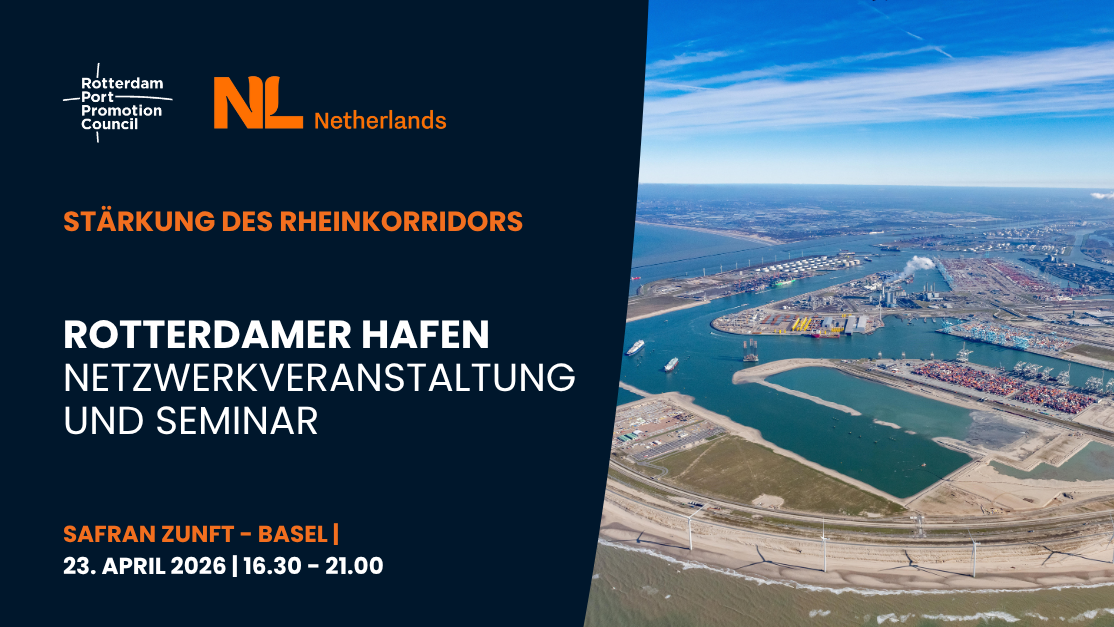
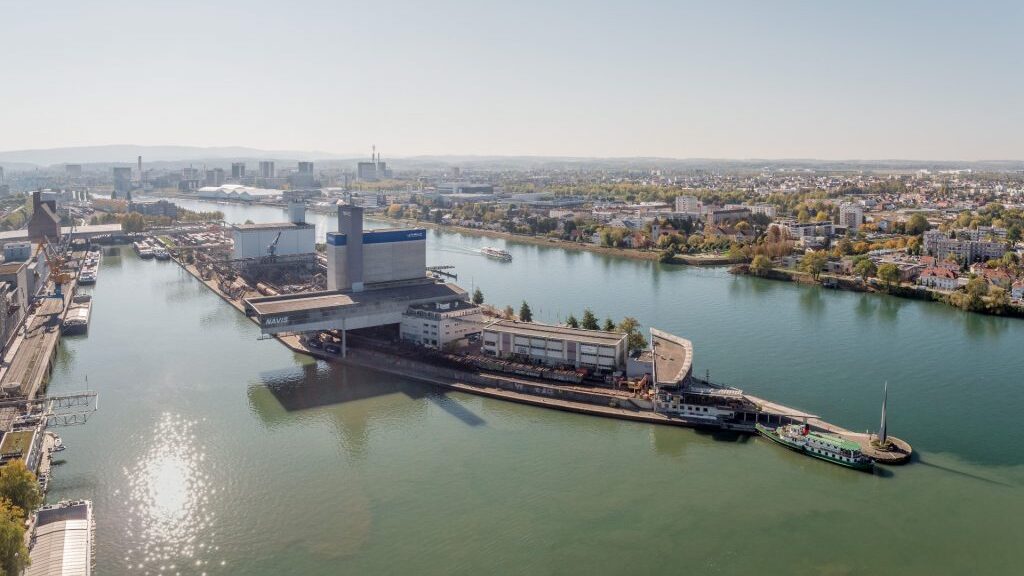
On April 23, 2024, 22 logistics companies from Rotterdam will travel to Basel to strengthen collaboration in the Rhine corridor through a memorandum of understanding.


Bernd LANGE, INTA Chair, S&D, DE
Željana ZOVKO, Standing Rapporteur, EPP, HR
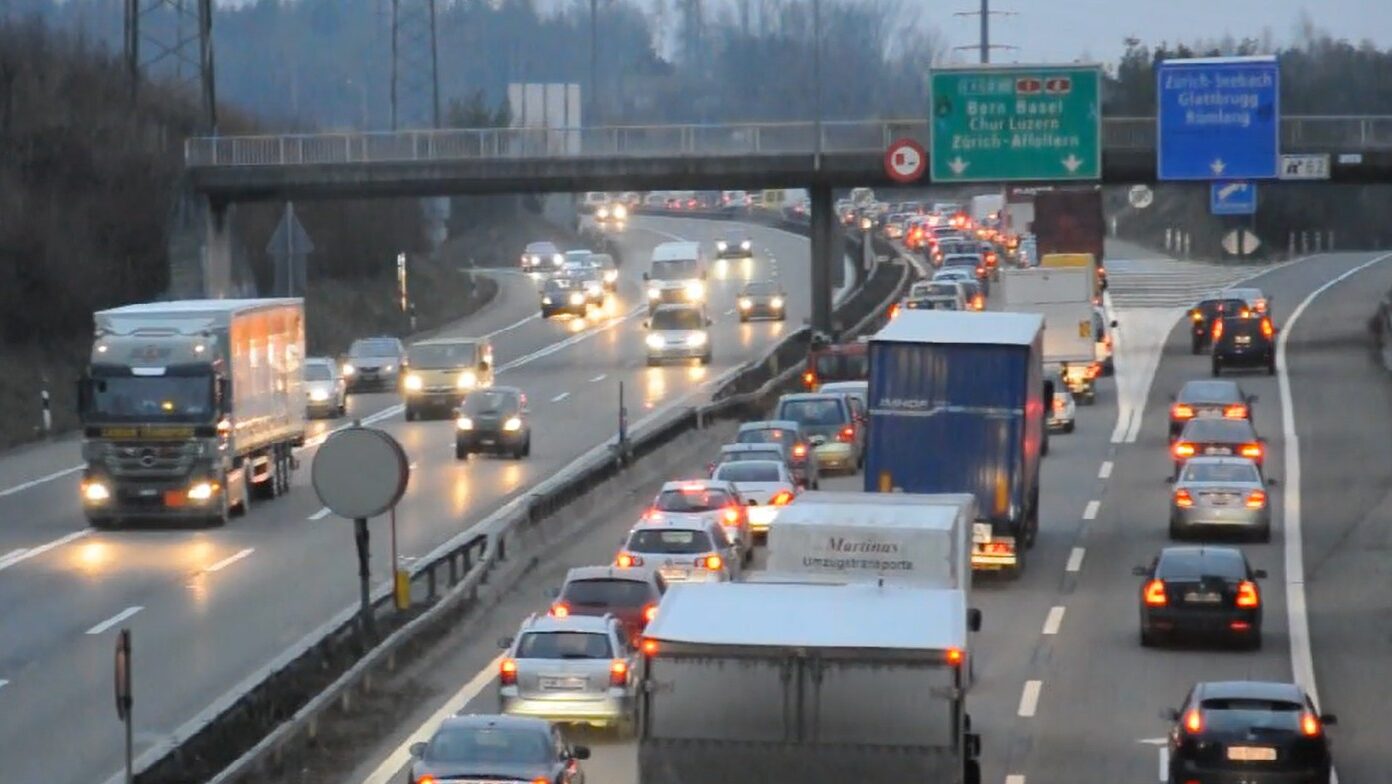
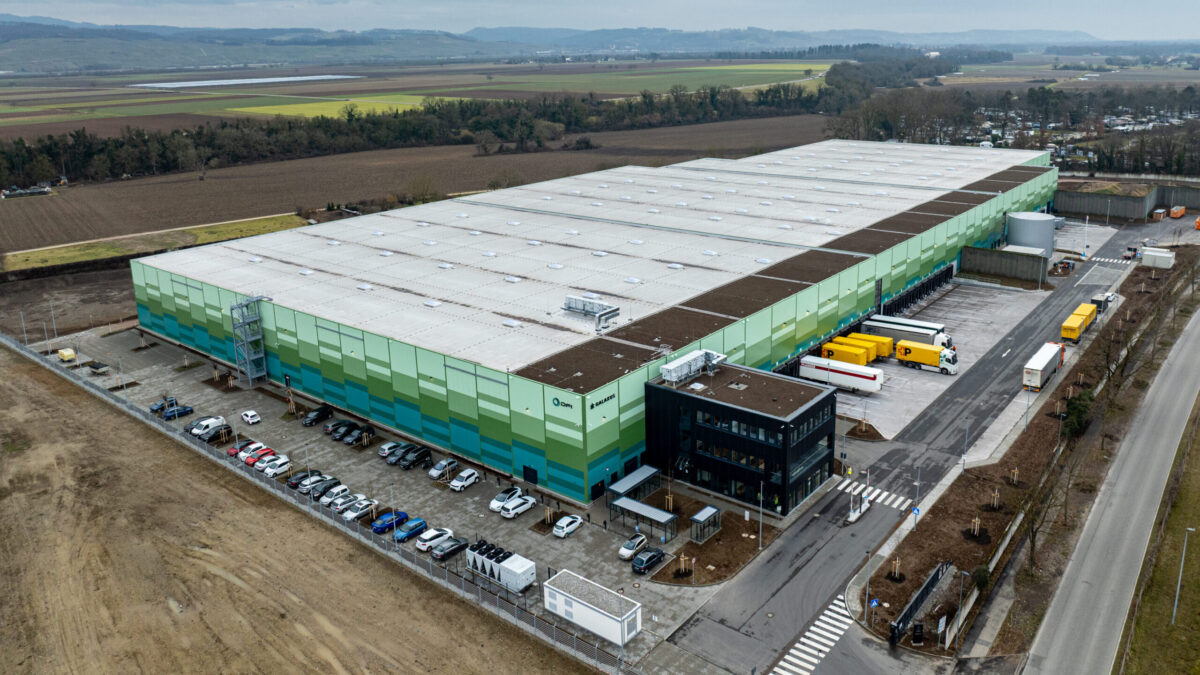
Freight transport solutions are becoming increasingly important. Against this backdrop, the organization CST is strategically realigning itself. After the originally planned tunnel mega-project could not be pursued further last year due to political framework conditions, a restart with adjusted priorities is now at the center.
For more than a decade, CST has been addressing the requirements of freight logistics and developing concepts aimed at unlocking additional transport capacities. The focus is less on the construction of new infrastructures and more on how existing systems can be utilized more efficiently and interconnected.
The construction of large transport infrastructures has become politically more challenging in Switzerland. Projects of this magnitude require stable regulatory frameworks, broad societal and political support, as well as a clearly demonstrated transport benefit. However, in the planned tunnel project, it became evident that these prerequisites are currently not fully met.
In the coming years, transport policy will therefore focus more on prioritization, financial viability, and better utilization of existing infrastructure. Given limited financial resources and increasing pressure to act, expansion projects are increasingly taking a back seat.
CST's strategic realignment is precisely aligned with this development. The focus is on developing scalable transport technologies that can unlock existing, previously unused capacities in the transport system.
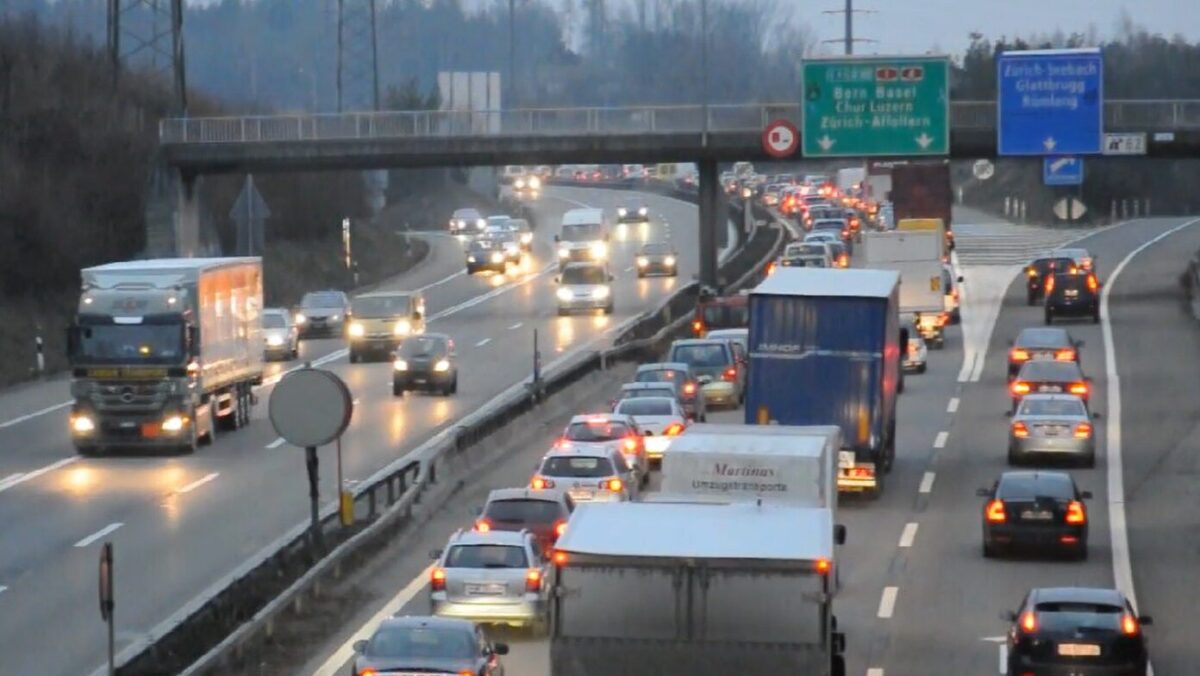
Today's freight transport is characterized by strong fragmentation. Different actors usually optimize their transport processes independently, while the underlying infrastructure is scarce, complex, and only limitedly coordinated. Joint, cross-system solutions are still rare.
Against this backdrop, the central question arises as to what overarching strategy can enable sustainable development of freight transport without being exclusively determined by the short-term interests of individual market players.
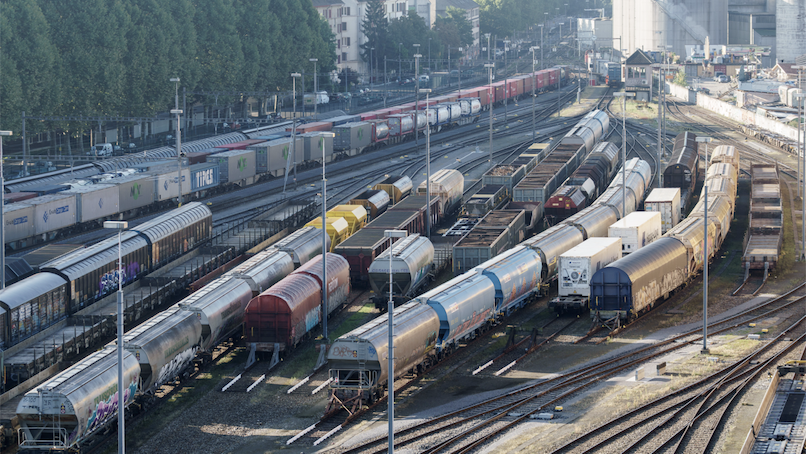
Possible approaches lie particularly in the bundling of transport demands, stronger integration of transport chains, and the economic utilization of existing system potentials. Especially in rail freight transport, there are still untapped opportunities in this context.
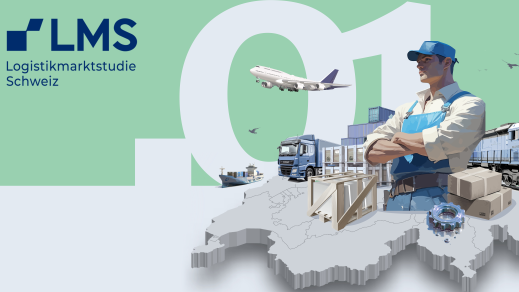
The fundamental considerations and analyses have been summarized in a whitepaper that examines the current situation and possible development perspectives of multimodal freight transport in Switzerland. The study highlights key structures and influencing factors that shape the transformation process of the transport system.
A central conclusion is that isolated optimizations by individual market participants are not sufficient. Instead, there needs to be stronger systemic coordination and integration within the entire freight transport network.
The whitepaper titled “From Optimization to Transformation – Development Approaches for the Multimodal Freight Transport Network of Switzerland” is now to be discussed within the professional community. The editorial for the publication is by Ludwig Häberle, Deputy Director at the Institute for Production and Supply Chain Management at the University of St. Gallen.
We use cookies and similar technologies. Some are necessary, others improve your experience and the website’s quality. Personal data like IP addresses may be used for personalized ads and content measurement. More details can be found in our Privacy Policy. Consent is optional, but may affect website functionality. Some services process data in the U.S., where no EU-equivalent data protection exists, posing potential risks. By consenting, you agree under Art. 49(1)(a) GDPR. You can change your settings anytime.