- All
- Air freight
- Automotive
- Categories
- CEP (Courier, Express, Parcels)
- Commercial vehicles
- Consumer goods
- Cool chain
- Customs clearance
- Events
- Freight Forwarding & Logistics
- Green logistics
- Hazmat
- High tech
- Intermodal / Road
- Intralogistics
- IT / E-Commerce
- Logistics real estate
- Luxury
- Machinery / industrial goods
- Mining
- People & Companies
- Perishables
- Pharma Logistics
- Shipping & Ports
- Switzerland
- Transport policy
- Valuables
Peter Spycher[/caption]
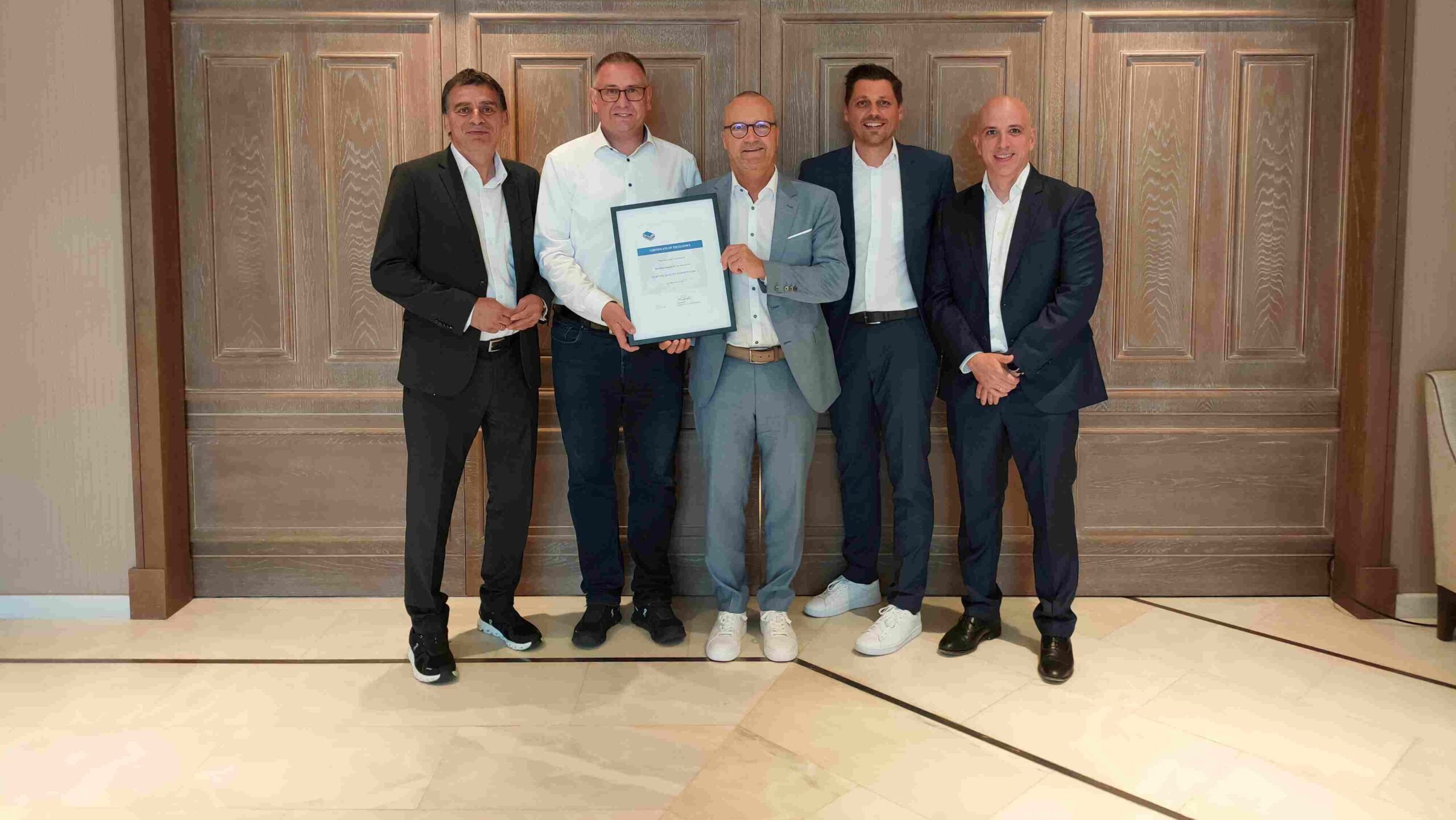
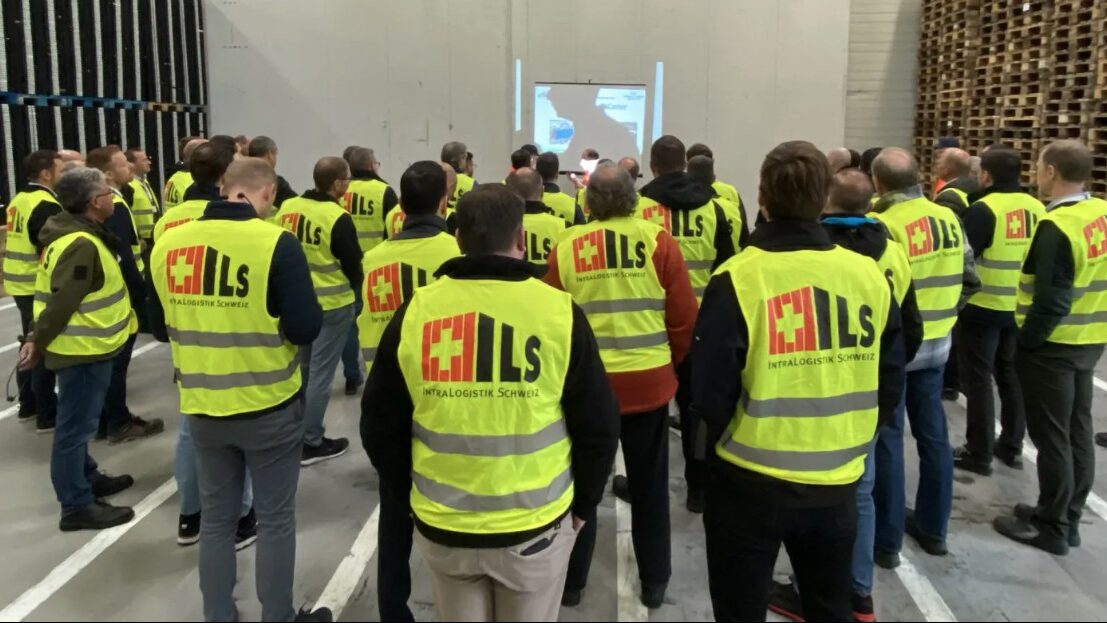
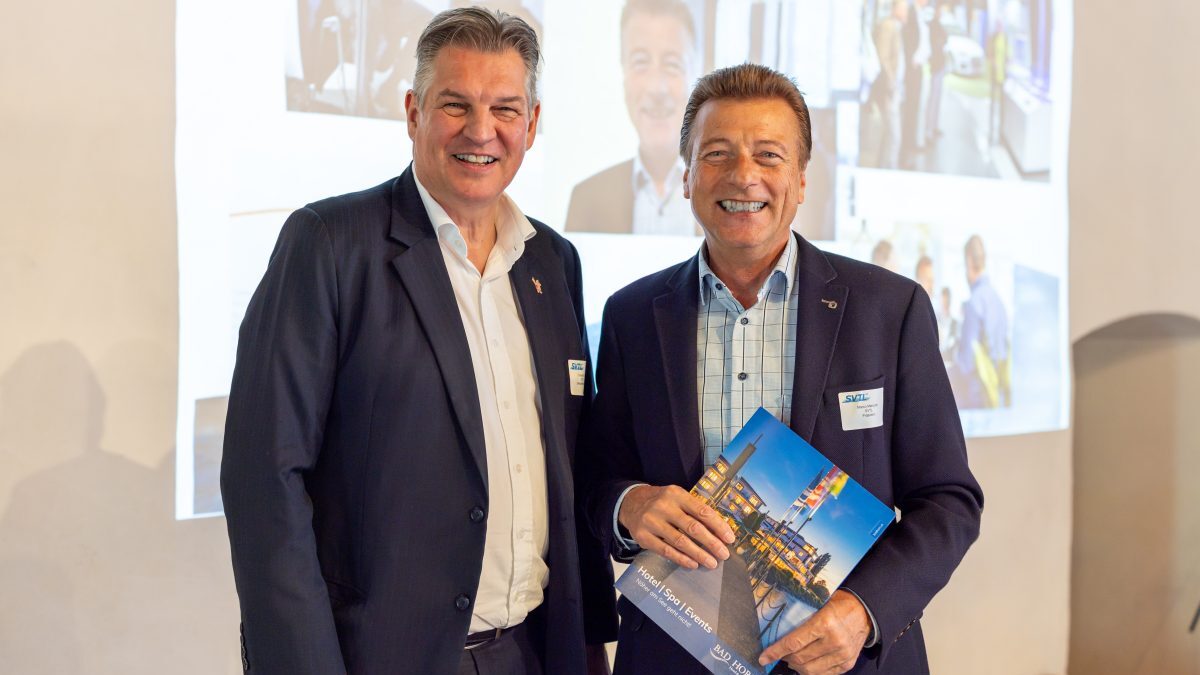
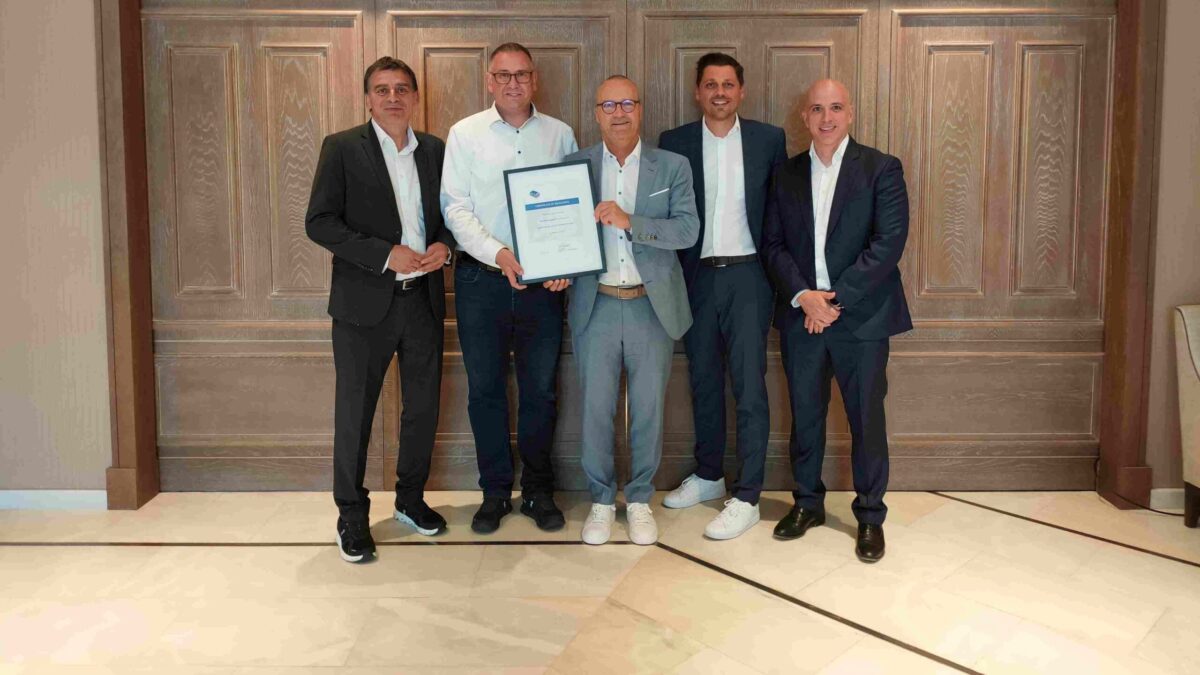
The Intralogistics Association Switzerland (ILS) has confirmed its president Peter Spycher for another three years in office at its 60th General Assembly held at the Park-Hotel in Langenthal. The re-election was unanimous among the approximately 62 members present. Spycher will thus lead the association until 2029. Additionally, Stefan Güdel, who works in the field of education, was also confirmed for another term on the board.
Farewells and New Elections in the Board
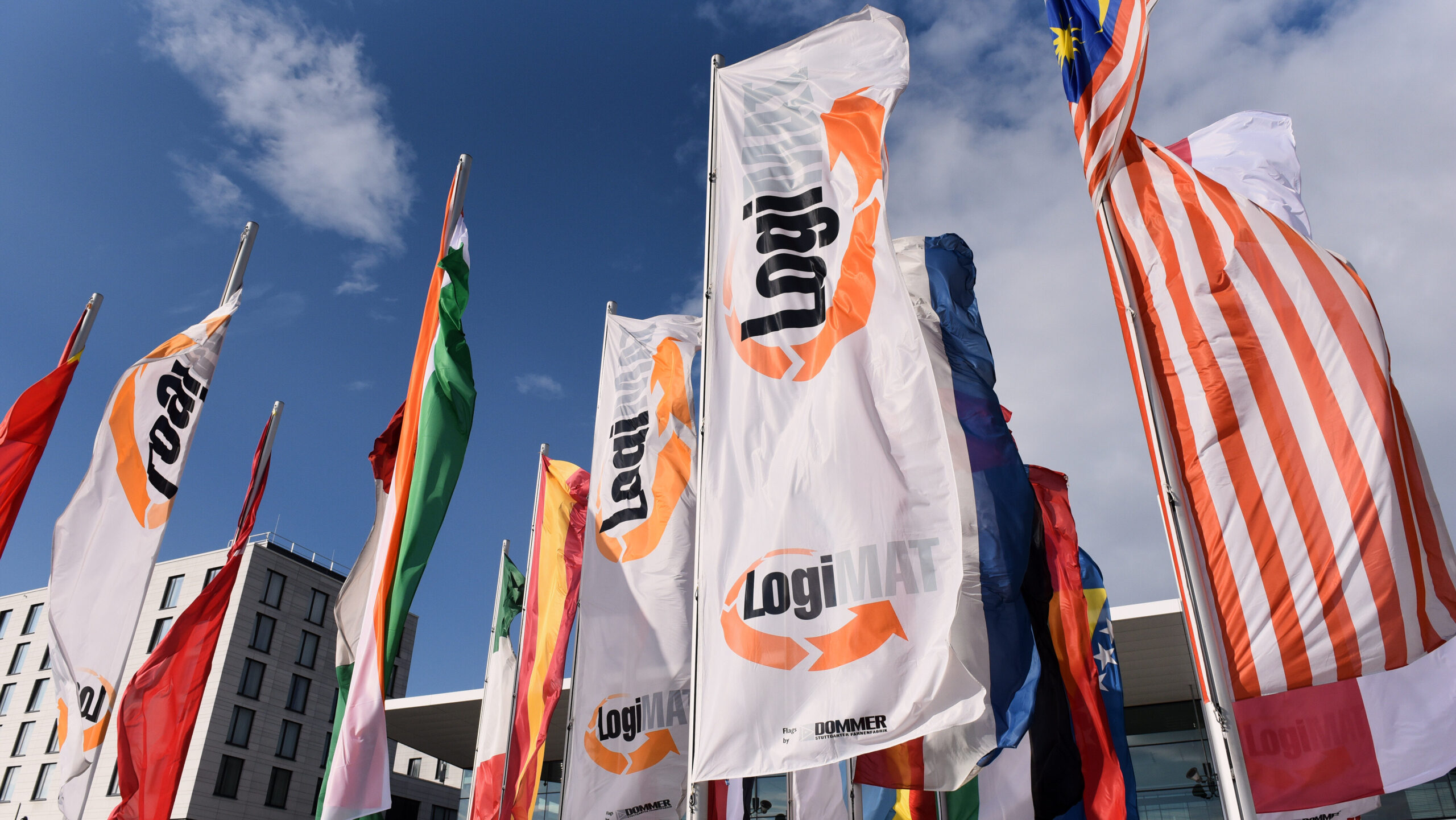
During the assembly, two long-standing board members were bid farewell. Valentin Adelfio, who belonged to the subsidiary association Swisslifter, and Rudolf Mayer-Richert, who was responsible for marketing, submitted their resignations. Adelfio was absent due to vacation but was acknowledged by Spycher for his contribution to ensuring the flow of information between ILS and Swisslifter. Spycher emphasized that Adelfio's calm demeanor and extensive leadership experience had provided significant value to the association. Vitalji Omelcenko from Staplermaxx was elected as the new board member to replace Adelfio. Rudolf Mayer-Richert was succeeded in the marketing area by Florian Brunner from SSI Schäfer. Spycher praised Mayer-Richert's commitment and described him as the face of ILS at the "Logistics & Automation" trade fair. He emphasized that Mayer-Richert always ensured that the ILS joint stand was highly visible and did not shy away from smaller tasks, such as providing water for the trade fair coffee.Membership Development of ILS
The association reported a slight increase in new members compared to the previous year. Since the last General Assembly, 13 new members have joined ILS. However, there were eleven departures, resulting in a total of 181 members. In September of this year, ILS will celebrate its 60th anniversary with a large celebration. www.ils-schweiz.chDeepening Trade Relations
Bernd Lange, Chair of the Committee and head of the mission, commented on the upcoming visit: “Our visit to Bern represents an important step in further strengthening the European Union's partnership with Switzerland. Switzerland is a natural partner with whom we share close economic ties, common values, and geographical proximity.” Lange emphasized that the achieved package of agreements provides a favorable opportunity to deepen trade and investment relations and ensure stability and predictability for citizens and businesses on both sides. In an increasingly turbulent geopolitical landscape, this underscores the shared commitment to remain close and reliable partners and to expedite the ratification process. The delegation will take the opportunity to discuss the agreements, focusing on trade, economic, and investment relations, as well as the next steps in the ratification process on both sides. The delegation consists of:Bernd LANGE, INTA Chair, S&D, DE
Željana ZOVKO, Standing Rapporteur, EPP, HR
Freight transport solutions are becoming increasingly important. Against this backdrop, the organization CST is strategically realigning itself. After the originally planned tunnel mega-project could not be pursued further last year due to political framework conditions, a restart with adjusted priorities is now at the center.
For more than a decade, CST has been addressing the requirements of freight logistics and developing concepts aimed at unlocking additional transport capacities. The focus is less on the construction of new infrastructures and more on how existing systems can be utilized more efficiently and interconnected.
Infrastructure projects politically challenging
The construction of large transport infrastructures has become politically more challenging in Switzerland. Projects of this magnitude require stable regulatory frameworks, broad societal and political support, as well as a clearly demonstrated transport benefit. However, in the planned tunnel project, it became evident that these prerequisites are currently not fully met.
In the coming years, transport policy will therefore focus more on prioritization, financial viability, and better utilization of existing infrastructure. Given limited financial resources and increasing pressure to act, expansion projects are increasingly taking a back seat.

CST's strategic realignment is precisely aligned with this development. The focus is on developing scalable transport technologies that can unlock existing, previously unused capacities in the transport system.
Fragmented systems in freight transport
Today's freight transport is characterized by strong fragmentation. Different actors usually optimize their transport processes independently, while the underlying infrastructure is scarce, complex, and only limitedly coordinated. Joint, cross-system solutions are still rare.
Against this backdrop, the central question arises as to what overarching strategy can enable sustainable development of freight transport without being exclusively determined by the short-term interests of individual market players.
Possible approaches lie particularly in the bundling of transport demands, stronger integration of transport chains, and the economic utilization of existing system potentials. Especially in rail freight transport, there are still untapped opportunities in this context.
Whitepaper on the future of multimodal freight transport
The fundamental considerations and analyses have been summarized in a whitepaper that examines the current situation and possible development perspectives of multimodal freight transport in Switzerland. The study highlights key structures and influencing factors that shape the transformation process of the transport system.
A central conclusion is that isolated optimizations by individual market participants are not sufficient. Instead, there needs to be stronger systemic coordination and integration within the entire freight transport network.
The whitepaper titled “From Optimization to Transformation – Development Approaches for the Multimodal Freight Transport Network of Switzerland” is now to be discussed within the professional community. The editorial for the publication is by Ludwig Häberle, Deputy Director at the Institute for Production and Supply Chain Management at the University of St. Gallen.